Catering Mistakes to Avoid
Hiring a caterer seems straightforward: you choose a provider, sign the contract and just enjoy the event on the day. The reality is that almost all catering disasters are signed weeks before the event, not on the big day. A misunderstood quote, a menu that doesn't fit your guests, or impossible logistics can turn your celebration into a headache.
That's why, at Catering Directory Spain, we've prepared this guide to the most common catering mistakes and, crucially, how to avoid them. If you're about to book a caterer for the first time, this article will help you avoid disappointment, last-minute surprises and unexpected costs.

Planning Mistakes
Planning is the foundation of error-free catering. First-timers tend to focus on the urgent and forget the important. These are the most common catering mistakes in planning and how to avoid them.
- Deciding based only on the final price. The cheapest quote isn't always the most cost-effective. Compare what each offer includes: service hours, number of waiters, product quality, transport and setup. A low price can hide extras.
- Not defining a common brief for comparison. If you request quotes with different details, you won't be able to compare them. Prepare a document with the same number of guests, date, venue and schedule, and send it to all companies.
- Booking too late. Good catering companies are booked up weeks or months in advance. If you wait until the last minute, you'll be left with limited options or inexperienced providers.
- Not visiting the venue with the caterer. A description over the phone isn't enough. A technical visit allows you to check access, kitchen, electricity and dimensions. This avoids surprises on the day.
Menu Mistakes
The menu is the heart of any celebration. An outstanding dish can save the party, but a generic menu can ruin it. These are the most common menu mistakes and how to avoid them.
- Choosing a generic menu that doesn't fit your guests' profile. A family meal isn't the same as a corporate dinner. Ask the caterer if they can tailor the menu to the style of the event and the age of the attendees.
- Ignoring allergies, intolerances and special diets. More and more guests are vegan, gluten-free, have nut allergies, or follow a halal diet. Collect this information before signing and provide it in writing. A good caterer will offer alternatives without excessive charges.
- Skipping the menu tasting. The tasting isn't a luxury: it's the only way to check the flavour, presentation and temperature of the dishes. If the company doesn't offer one, be wary.
- Guessing quantities. Ordering too little leaves guests hungry; ordering too much pushes up the cost. Trust the caterer to adjust quantities to the number of confirmed guests.
Logistics Mistakes
Logistics is the invisible side of catering but the one that causes the most headaches. Not informing the caterer of the actual conditions of the space is a mistake you pay for dearly.
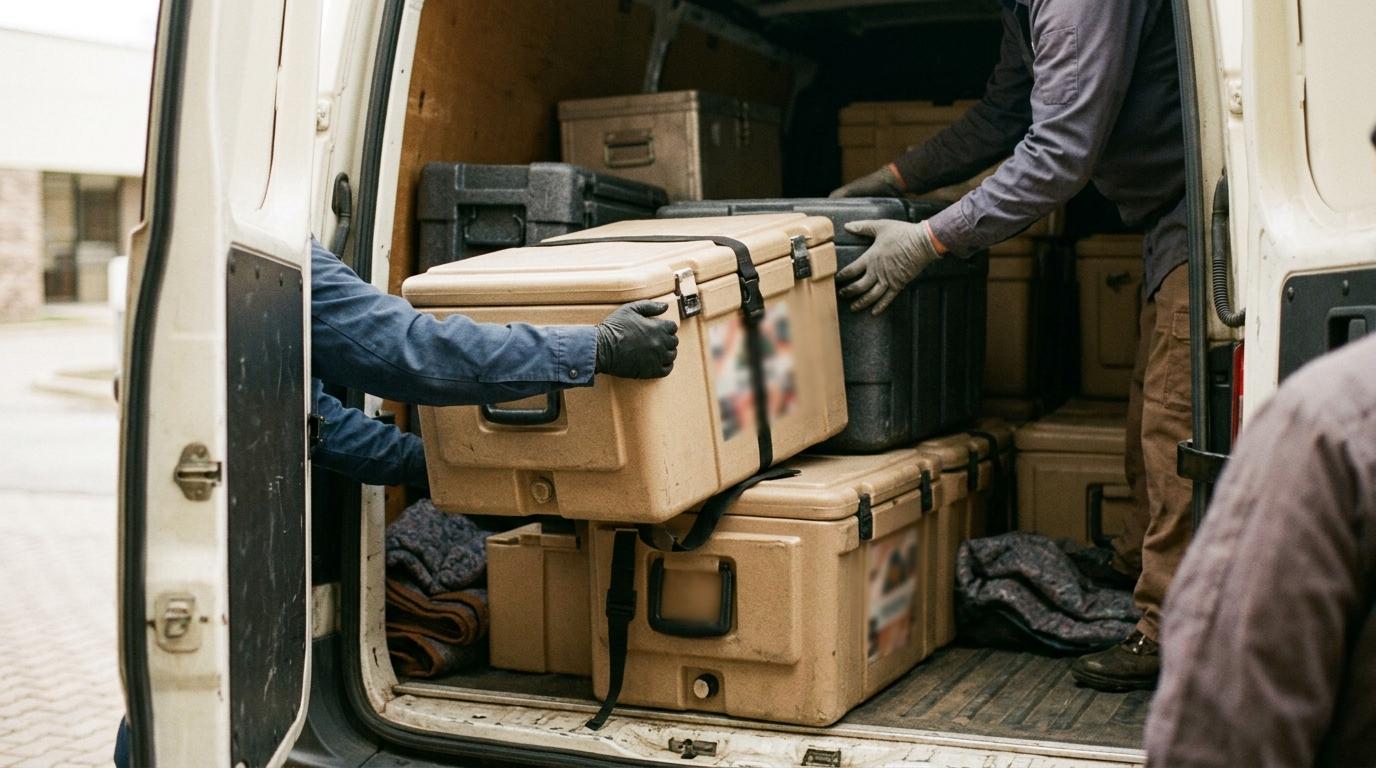
- Not informing the caterer of the real conditions of the venue. Is there a kitchen? Are there electricity and water points? Is there van access or a lift? If the caterer doesn't know, they can't prepare the service. Be explicit and, if possible, do a joint visit.
- Not having a plan B for outdoor events. If the event is outdoors, rain or wind can ruin the food and the setup. Ask whether the caterer has a marquee or alternative solutions. A written plan B avoids arguments.
- Unrealistic setup and service schedules. Assuming setup can be done in no time when it may take up to three hours is a classic. Agree with the caterer on setup, service and breakdown times, and stick to them.
- Forgetting breakdown and cleaning. The service doesn't end when the food is served. Ask whether the price includes collection, breakdown and cleaning. If not, negotiate that cost in advance.
Contract Mistakes
The contract is your safety net. Accepting quotes without reading the small print is one of the most expensive catering mistakes you can make.
- Accepting quotes without a breakdown. A quote should include number of waiters, service hours, type of food, transport and materials. If only a total price appears, ask for the breakdown in writing.
- Not asking whether the price includes VAT. Many catering quotes are presented without VAT. Insist that the document states the applicable VAT and the final total with taxes, to avoid surprises on the invoice.
- Not reading the minimum billing or overtime waiter charges. Some caterers have a minimum number of guests or hours. If your event is small, ask about the minimum. If the service runs over, overtime is paid separately.
- Not reviewing the cancellation policy and guest changes. What happens if you cancel or your guest numbers change? The conditions must be in writing. Review the deadlines and penalties.
- Not asking for public liability insurance and a health registration. A professional caterer must have a health registration (RGSEAA or equivalent regional registration). Public liability insurance isn't always compulsory, but many venues require it and it's a sign of professionalism. Ask for both documents before signing. If they don't have them, that's a red flag.
The Checklist That Protects You
To help you stay on track, here is a checklist that protects you from the most common catering mistakes. Print it out and apply it before every event.
- Define a brief with the same number of guests, date, venue and schedule for all requests.
- Compare quotes with a breakdown, not just the final price.
- Visit the venue with the caterer to check kitchen, electricity, water and access.
- Collect guests' allergies, intolerances and special diets and provide them in writing.
- Book a menu tasting and adjust quantities with the caterer.
- Review the contract: VAT, minimums, overtime, cancellation and guest changes.
- Confirm the outdoor plan B and the setup and breakdown schedules.
- Keep a signed copy of the quote and the contract.
With this checklist you'll have much more control. If you want to go deeper, we recommend learning how to choose catering for your event and how much catering costs. You can also browse our directory of catering companies to find professionals near you, and review the types of catering that best suit your celebration.
Frequently asked questions
What is the most common catering mistake when hiring a caterer?
Deciding based only on the final price without comparing what each quote includes. A cheaper quote may have fewer service hours, fewer waiters or hidden extras. The solution is to ask for a detailed breakdown and compare the same service from several companies. That way you'll know which offers the best value for money.
How far in advance should you book a caterer?
For regular events, allow 4 to 8 weeks in advance. For weddings and very busy dates, such as spring or Christmas, we recommend booking 6 to 12 months ahead. Reputable catering companies fill up quickly, so don't leave it until the last minute.
What should I tell the caterer about the event venue?
You need to provide details about the available kitchen, electricity and water points, vehicle access, lifts and the venue's opening hours. It's best to do a joint visit so the caterer can check the environment in person and plan the setup and service without surprises.
Can I change the menu after signing the contract?
It depends on the contract. Many caterers allow changes up to a deadline, usually one or two weeks before the event. However, changes may affect the final price. That's why you should review the terms policy and communicate any modifications in writing.
How can I tell if a catering company is reliable?
Ask for recent references from other clients, check that it has a health registration and ask about its public liability insurance. A reliable company answers your questions clearly, provides a written breakdown and doesn't object to visits. Be wary of anyone who gives vague answers or refuses to sign a contract.
What about guests with allergies or special diets?
Collect all the information about allergies, intolerances and diets (vegan, gluten-free, halal) and give it to the caterer in writing in advance. Any serious company will have alternatives for these cases without excessive surcharges. If they don't offer options, it's a sign of inexperience.

John Guerrero
Food service consultant and founder of the ChefBusiness group. 20+ years in hospitality helping restaurants and caterers run profitably. johnguerrero.es